
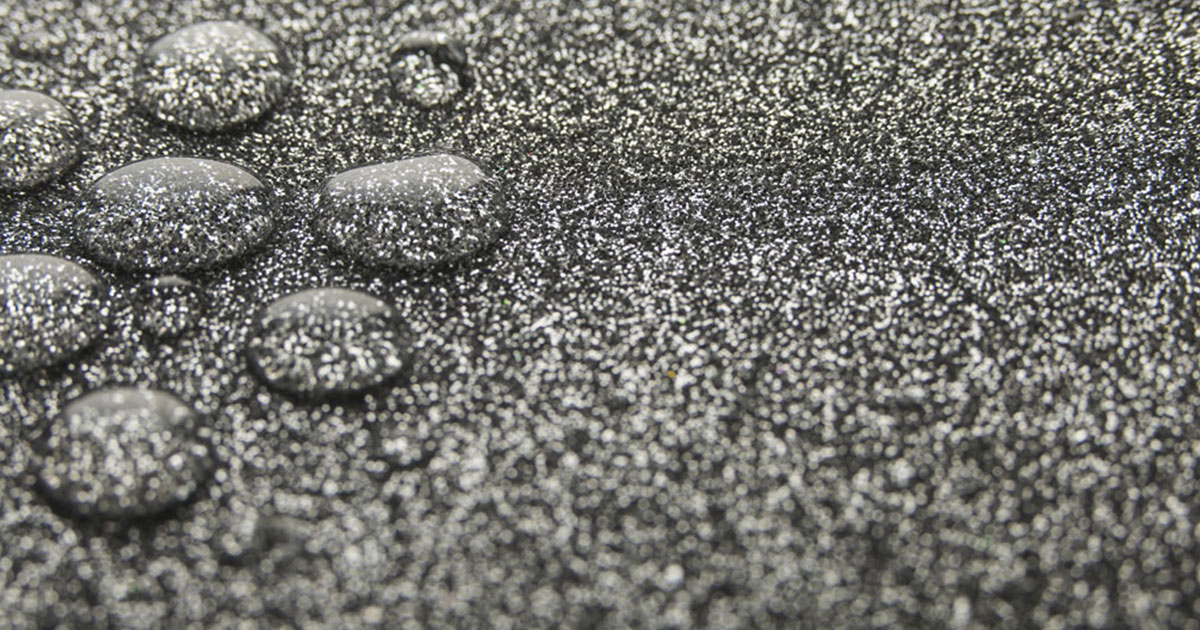
What is resin bound gravel and how it works
When trying to understand what makes resin bound gravel different from other paving options, it helps starting with the basic composition creating these distinctive surfaces. The system mixes small stone aggregate particles with carefully formulated clear resin, producing material that creates flat, duradero surfaces performing well in residential driveways, commercial walkways, and outdoor gathering spaces. The composition relies on two-part resin binder thoroughly combined with clean, dry aggregate materials before installation, with the resin typically from polyurethane or epoxy families, though outdoor applications use aliphatic polyurethane specifically for superior UV stability preventing yellowing under constant sun exposure.
Getting mixing proportions right matters tremendously, which is why professional installers carefully measure materials achieving ratios typically around three parts aggregate to one part resin by weight. Rather than using standard paddle mixers, experienced installers rely on specialized forced action mixer equipment because the tumbling action coats each stone uniformly with resin, preventing patchy areas and ensuring consistent permeability across the finished surface.
Once mixing produces properly combined material, workers quickly pour the blend onto prepared base and spread evenly using rakes and screeds controlling thickness precisely. They then compact and smooth using hand trowels or power troweling equipment for larger areas, creating that distinctive flat, sin costuras finish without joints or gaps. Material remains workable for roughly 20 to 30 minutes depending on temperature, requiring efficient methodical work completing sections before resin begins curing and loses bonding ability.
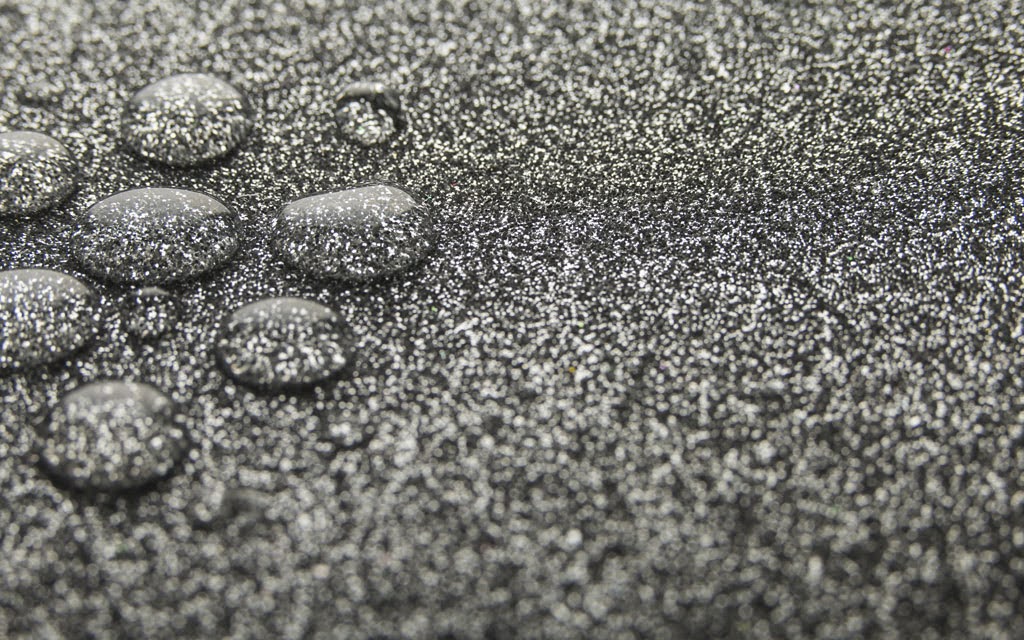
The way surfaces achieve impressive permeability comes from a simple but elegant principle where resin coats individual stones while leaving voids between them creating interconnected pathways for water movement. These spaces allow rainwater flowing through into sub-base materials beneath rather than pooling on top, helping properties meet drainage regulations while reducing urban heat island effects.
Understanding differences between resin bound, resin bonded, and loose gravel clarifies why bound systems deliver superior performance. Resin bonded systems apply resin directly to base first then broadcast dry aggregate on top, creating textured surfaces where stones gradually dislodge under traffic. Traditional loose gravel provides no binding and constantly migrates under vehicles, spreads into planting beds, and requires frequent raking plus regular replenishment.
|
Característica |
Resin Bound Surface |
Resin Bonded |
Loose Gravel |
|
Finish quality |
Seamless, flat, trowelled |
Partially bound, textured |
Unbound, perpetually uneven |
|
Permeability |
Highly permeable, genuinely poroso |
Less permeable |
Permeable only if base allows |
|
Stone retention |
High, stones locked in resin |
Moderate, stones shed over time |
Low, stones constantly migrate |
|
Vehicle suitability |
Excellent for cars and light trucks |
Limited, surface may loosen |
Poor, creates ruts and shifts |
|
Mantenimiento |
Low, occasional cleaning sufficient |
Moderate, requires topping up |
High, constant raking needed |
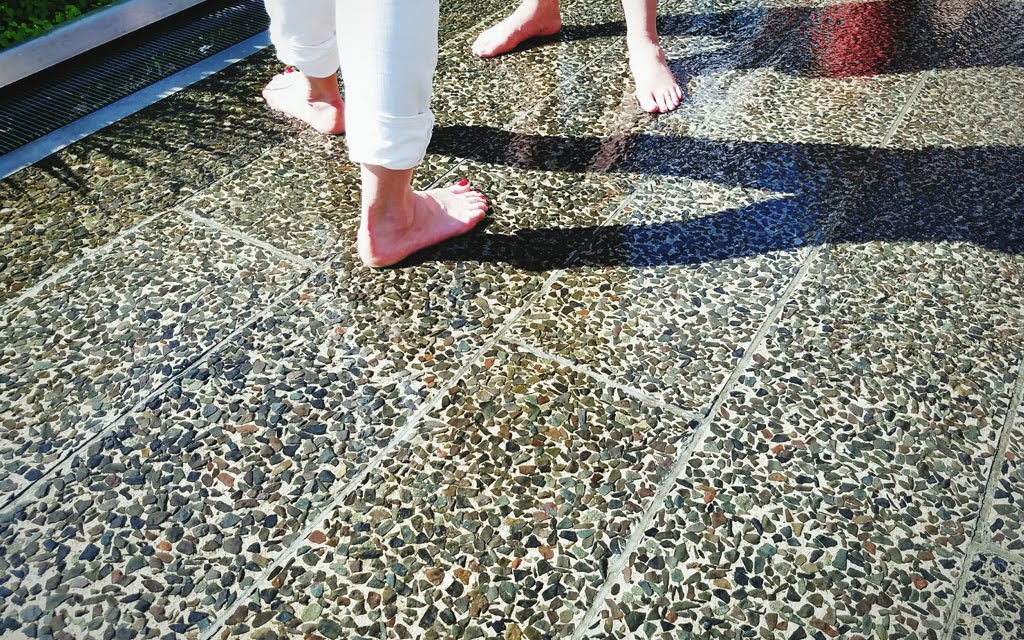
Key benefits of resin bound surfaces for homeowners and commercial properties
When evaluating paving options, resin bound systems consistently rise to the top because they combine practical performance with visual appeal through permeable resin technology and thoughtfully selected aggregates. This combination creates surfaces that drain water effectively while maintaining polished appearance, which explains why residential homeowners and commercial developers choose these systems for projects where function and aesthetics work together.
Permeable properties that reduce runoff and replenish groundwater
Water drains directly through the surface into properly specified sub-base materials, reducing puddles while helping properties meet the SUDS compliant standards many building departments require. Quality installations handle impressive rainwater volumes, with properly specified systems managing up to 850 liters per square meter per minute, meaning even intense downpours get absorbed rather than running into storm drains. Natural infiltration replenishes local groundwater tables while lowering flood risk in urban and rural environments, making this an environmentally sound choice that satisfies modern building regulations without expensive additional drainage infrastructure.
Durability and resistance to rutting under traffic
Properly installed resin bound systems deliver exceptional durability under pedestrian and vehicular use when you’ve prepared stable foundations correctly. The bonded aggregate resists rutting, dip formation, and surface instability that plagues poorly maintained asphalt or shifting loose gravel, creating surfaces that handle daily use for years without significant deterioration. Appropriate layer depths ensure long-lasting finishes for residential driveways, commercial car parks, and high-traffic pathways that perform well under real-world conditions.
Minimal maintenance requirements and excellent stain resistance
Maintenance remains genuinely minimal compared to alternatives. Routine pressure washing removes accumulated dirt and debris without damaging the bound surface, and the inherently sin costuras nature means there aren’t joints or gaps where weeds gain purchase and start growing. High-quality resins demonstrate excellent resistance to oil spills and petrol stains that permanently discolor porous surfaces, making cleanup faster and preventing lasting damage requiring professional restoration.
Extensive color options and design flexibility
Design possibilities extend far beyond initial expectations, with designers able to select from a wide range of colours and aggregate blends that complement architectural styles or create striking contrasts. The seamless exposed-aggregate appearance enhances curb appeal while eliminating trip hazards that raised pavers and uneven concrete create. You can customize shapes, borders, and textures to match existing elements, and the smooth finish remains accessible for wheelchairs and strollers in ways traditional loose gravel never achieves.
Comparing resin bound gravel to concrete, tarmac and other traditional surfaces
While resin bound gravel offers distinct advantages when measured against concrete or tarmac and other conventional paving options, understanding that the genuinely best choice for any specific project depends on carefully evaluating your particular requirements for drainage performance, visual appearance, budget constraints, and expected traffic loads helps ensure you make decisions that balance immediate installation costs with long-term value and ongoing maintenance demands.
Permeability and drainage performance contrasts
Standard concrete and tarmac installations create essentially impermeable barriers that prevent water infiltration unless you specifically order porous mixes that cost significantly more and require specialized installation techniques that many contractors cannot properly execute. Block paving can theoretically provide drainage through the gaps between individual units, but those sand joints frequently clog with debris, organic matter, and fine sediment over time, which gradually reduces or eliminates their drainage capacity and creates surfaces that develop puddles and standing water. Resin bound gravel maintains genuinely consistent permeability throughout its entire service life because the carefully designed voids between bound stones remain open and functional, which makes these systems dramatically superior for locations that need effective water management including sloped driveways, parking areas adjacent to buildings where water infiltration could cause foundation problems, and pathways winding through landscaped gardens where you want to preserve existing drainage patterns.
Slip resistance, frost tolerance and UV stability characteristics
The natural texture created by exposed aggregate in properly finished resin bound surfaces provides inherent slip resistance that helps both pedestrians and vehicles maintain traction during wet conditions when many other surfaces become dangerously slippery. Many correctly specified systems meet or exceed recognized anti-slip standards, which makes walkways, access ramps, and public pathways significantly safer while reducing liability concerns for commercial property owners. Beyond slip resistance, these materials also demonstrate impressive ability to withstand the repeated freeze-thaw cycles that crack and destroy inferior surfaces over time, with quality resin formulations remaining flexible even at low temperatures rather than becoming brittle and fracturing. The UV-stable polyurethane resins used in professionally specified outdoor systems maintain their color vibrancy and structural integrity while preventing the fading, chalking, and surface degradation that progressively destroys bitumen-based products and lower-grade surface treatments that initially look acceptable but rapidly deteriorate under constant sun exposure.
Understanding when resin bound represents the better option for your project
Resin-bound gravel works exceptionally well for residential driveways, patio areas, and commercial car parks where visual appearance matters as much as functional performance and where effective drainage must work properly to prevent water-related problems. The smooth yet naturally textured surface provides the sophisticated aesthetic appeal of high-end loose stone installations without any of the constant maintenance headaches and perpetual migration issues that make traditional gravel impractical for vehicle areas. These systems genuinely excel in projects where bajo mantenimiento performance, SUDS compliance, and extensive design flexibility justify the higher initial investment when compared to basic asphalt or standard concrete paving. That said, you should recognize that heavy industrial facilities with large delivery trucks, forklifts, and extremely concentrated point loads might benefit more from heavily reinforced concrete or specialized industrial paving systems specifically engineered to handle those extreme conditions that would exceed the design limits of residential and light commercial resin bound specifications.
|
Característica |
Resin Bound Gravel |
Standard Concrete |
Tarmac/Asphalt |
Block Paving |
|
Drainage and permeability |
High permeability, water drains through to sub-base |
Very low unless expensive porous mix |
Low, creates impermeable barrier |
Moderate initially, decreases as joints clog |
|
Slip resistance |
Consistently good due to aggregate texture |
Highly variable, often slippery when wet |
Variable, becomes smooth as surface wears |
Good when new and textured, joints complicate walking |
|
Frost resistance |
Many systems highly frost resistant |
Duradero but prone to cracking under freeze-thaw |
Can soften, rut, or crack in freeze-thaw cycles |
Good if properly installed with adequate drainage |
|
UV resistance and color stability |
Excellent with properly specified UV-stable resins |
Color stable but very limited finish options |
Progressively fades as bitumen oxidizes |
Good but depends heavily on material quality |
|
Accessibility and smooth finish |
Exceptionally smooth, sin costuras for wheelchairs and strollers |
Smooth but unforgiving hard surface |
Acceptable for vehicles, often rough for pedestrians |
Can develop uneven spots, raised edges create trip hazards |
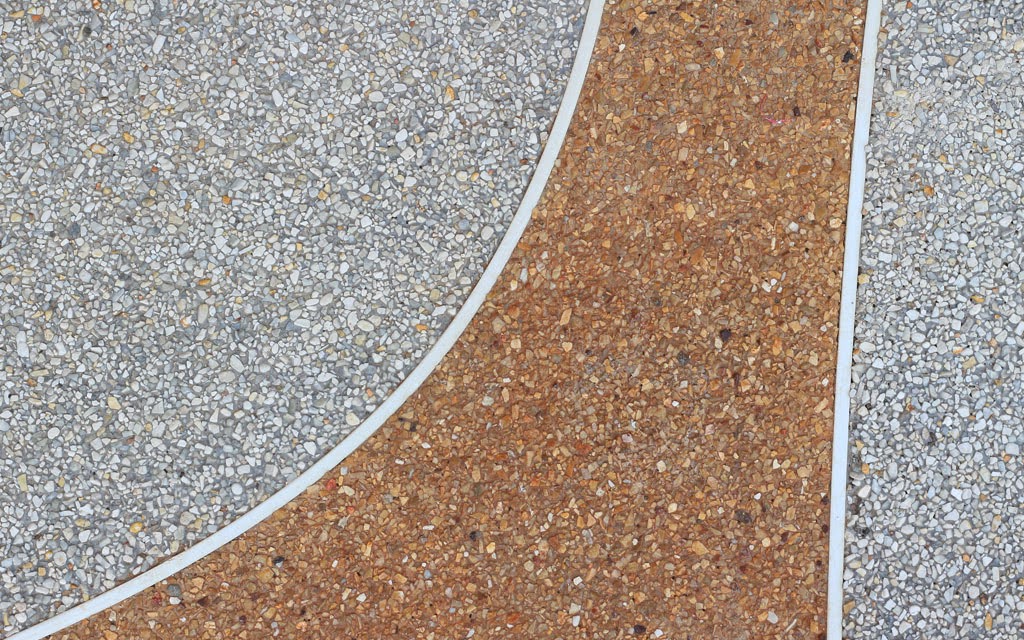
Materials and specifications for long-lasting systems
The materials you select determine whether your resin bound aggregate system performs reliably for decades or develops problems within years that require expensive repairs.
Comparing resin types
Two main resin families dominate paving: epoxy and polyurethane. Epoxy provides exceptional bonding strength for protected areas but can yellow outdoors. Polyurethane offers greater flexibility and superior weathering characteristics for exposed installations experiencing temperature fluctuations and moisture. For outdoor applications, aliphatic UV-stable polyurethane resists yellowing while maintaining optical clarity under constant sun exposure that degrades inferior formulations.
Selecting appropriate aggregates
Particle sizes typically include both 1-3mm fine material that fills voids and improves compaction, combined with 2-5mm decorative stones providing visible surface character. Natural stone options include granite for durability and color variety, limestone for lighter tones, and quartz for brightness. Recycled glass adds environmental benefits while creating distinctive sparkle effects popular in contemporary designs.
Specification checklist
|
Componente |
Recommendation |
Why This Matters |
|
Resin family |
Aliphatic UV-stable polyurethane |
Balances flexibility and UV resistance |
|
Aggregate sizes |
1-3mm fines + 2-5mm decorative |
Improves compaction and appearance |
|
Stone types |
Granite, limestone, quartz, glass |
Provides durabilidad and visual options |
|
Mix ratios |
3:1 aggregate to resin by weight |
Ensures complete stone coating |
|
Layer depth |
15-18mm pedestrian, 18-20mm vehicles |
Meets load requirements |
Site preparation and sub-base requirements
Properly preparing your site represents the most critical factor for achieving lasting surfaces that perform as intended, because even the highest quality materials cannot compensate for inadequate foundations.
Foundation materials and base preparation
Good foundation choices include existing concrete or tarmac base slabs remaining structurally sound, or freshly laid compacted MOT Type 1 aggregate layers providing excellent load-bearing capacity. Concrete slabs work well as bases provided they lack major cracks or deterioration. MOT Type 1 aggregate creates ideal bases for installations requiring genuine permeability because well-graded crushed stone allows water passage while maintaining load-bearing characteristics when properly compacted. Block paving with loose units or old flagstones with open joints create unstable surfaces requiring complete removal before installation.
Subgrade stabilization and drainage
Every successful installation starts with clean excavation removing unsuitable materials and creating proper depth. Thorough compaction using plate compactors densifies subgrade and eliminates voids causing settling. Sites with weak soils benefit from geotextile membranes separating layers or mechanical stabilization improving bearing capacity. Permeable sub-bases composed of clean stone allow rainwater absorption, while properties with clay soils may need perforated pipes or soakaways dispersing water during storms.
Surface preparation for overlays
When installing over existing concrete or tarmac, thorough cleaning becomes essential for proper adhesion. Remove all dirt, dust, oil, and loose material using pressure washing and mechanical cleaning. Oil-contaminated areas require solvent treatment, and smooth areas need abrading through scarification creating texture for primer adhesion. After cleaning and drying, apply manufacturer-specified primer creating bonds between old base and new resin and aggregates, following detailed application instructions regarding coverage and cure times.
Installation process and best practices
Beginning any resin bound installation with careful planning ensures your resin driveway o patio delivers expected performance and longevity. Weather conditions tremendously influence installation success, so check detailed forecasts before beginning work. Ideal working temperatures fall between 5°C and 30°C (41°F to 86°F) with dry conditions and moderate humidity allowing proper curing. You must avoid working during rainfall or when forecasts predict precipitation within several hours, and never attempt installation when temperatures will drop below freezing before material completes initial cure.
Professional installers use specialized forced action mixers providing the tumbling action needed to thoroughly combine resin and aggregates to professional standards. Proper mixing continues for three to five minutes until every stone carries uniform resin coating without dry spots or excess binder pooling. Following manufacturer instructions regarding component ratios and pot life ensures material remains within its usable window before gelling.
When mixed material reaches proper consistency, pour it onto prepared base and immediately spread evenly using specialized rakes and straight-edge screeds controlling thickness precisely. Complete the surface using careful hand troweling eliminating imperfections and creating the smooth finish distinguishing professional work. Larger commercial areas benefit from power troweling equipment producing superior flatness while reducing installer fatigue, though these machines demand experience to operate effectively.
Selecting appropriate layer depths based on anticipated traffic loads directly affects long-term performance. Foot paths and patio areas require 15-18mm thickness supporting regular pedestrian use. Residential driveways need 18-20mm depth handling normal passenger vehicles. Sites with challenging conditions or heavy vehicles might require 30-40mm thickness preventing deflection and premature failure.
Carefully monitor curing after completing installation. Protect the area from any traffic until resin achieves sufficient strength, typically requiring 24 to 48 hours depending on ambient temperature and specific product formulation. Protect curing surface from rain showers, temperature swings, and adverse conditions during this period when chemical reactions remain incomplete.
|
Installation Stage |
Critical Actions Required |
Why This Stage Matters |
|
Pre-installation evaluation |
Carefully assess weather forecasts and verify base readiness |
Prevents adhesion failures and ensures proper curing conditions |
|
Material mixing |
Use forced action mixer for full 3-5 minutes per batch |
Ensures every stone gets consistent resin coating and prevents patchy results |
|
Material application |
Pour, rake, and screed to achieve even thickness throughout |
Controls final permeability and creates surface flatness |
|
Finishing work |
Hand trowel small areas, power trowel large commercial spaces |
Creates professionally smooth sin costuras appearance and proper compaction |
|
Layer depth control |
Match thickness to pedestrian or vehicular traffic requirements |
Prevents settlement and premature failure while supporting expected loads |
|
Curing protection |
Keep area completely protected until manufacturer-specified cure completes |
Ensures full durabilidad and optimizes long-term performance characteristics |
Design options, textures and edge treatments
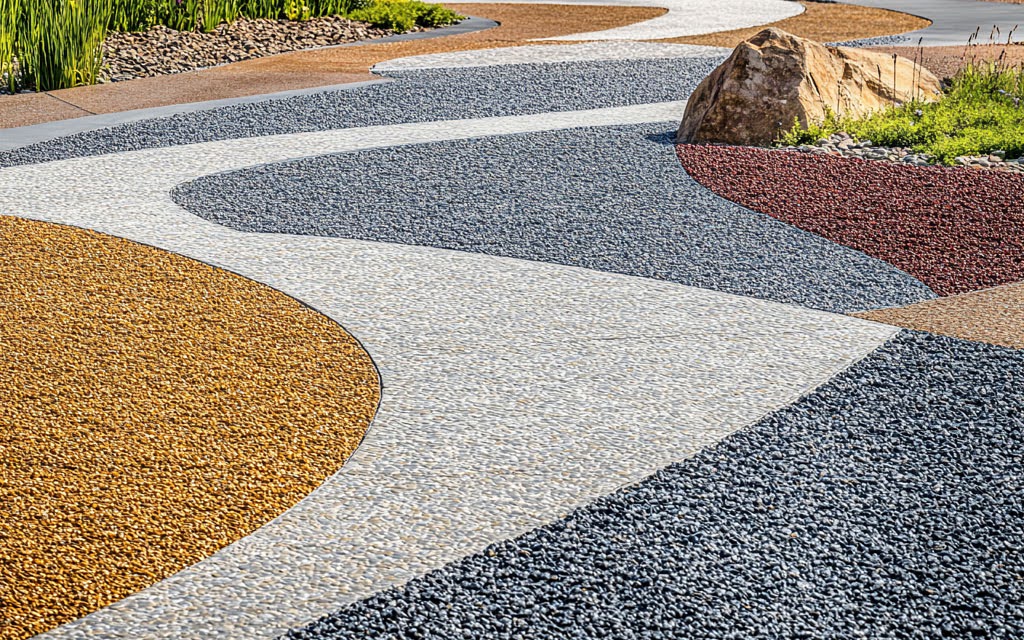
Resin bound surfaces provide extensive design possibilities boosting curb appeal and creating outdoor spaces reflecting your aesthetic preferences. Available color palettes span from subtle natural earth tones blending with landscape surroundings, through sophisticated grays suiting modern architecture, to bold colors and multi-color blends adding visual interest. Leading manufacturers incorporate quality pigments resisting fading under intense sun exposure, meaning colors maintain vibrancy for years.
Texture selection affects both visual character and functional performance. Smooth finishes using finer aggregates suit patios where refined appearance matters most. Medium textures work well for residential driveways balancing appearance and slip resistance. Coarser textures incorporating larger particles provide maximum traction for slopes and high-traffic areas where wet conditions create slippery surfaces.
Edge solutions protect surface perimeter while defining borders between different materials. Options include traditional brick edging creating classic appearances, natural stone providing organic aesthetics blending with gardens, and contemporary metal profiles delivering crisp lines for modern contexts. Each method requires careful installation on solid foundations preventing shifting over time.
Maintenance requirements and longevity expectations
Keeping resin-bound gravel surfaces looking excellent requires minimal effort compared to alternative materials. Regular sweeping removes loose debris before it interferes with drainage. Occasional pressure washing removes stubborn stains and contaminants without damaging bonded aggregate. For persistent stains or oil spills, apply mild detergent followed by gentle scrubbing and rinsing to restore appearance.
Periodically check edge seals and inspect drainage outlets ensuring water flows through surface as intended. Properly installed surfaces on stable foundations using high-quality UV-resistant resins commonly last 15 to 25 years or longer with appropriate maintenance, making the initial investment cost-effective when calculating total ownership costs.
Most problems stem from inadequate base preparation or installation during unsuitable weather rather than material limitations. Installing only when conditions remain dry and temperatures stay within specifications, combined with completely sealing edges preventing weed infiltration and aggregate migration, eliminates most common problems before they develop into expensive repairs.
Why Terrazzo Granitech Monolith represents the ultimate resin stone solution
When you’re actively exploring what is resin stone options for your residential or commercial property, Terrazzo Granitech’s innovative Monolith system stands distinctly apart as a genuinely superior choice that successfully addresses the significant limitations of conventional epoxy-based products that have dominated this market segment. Unlike traditional resin systems that prove frustratingly prone to progressive discoloration, increasing brittleness, and eventual cracking over time as they age, Monolith employs advanced UV-resistant polyurethane resin technology that delivers dramatically greater flexibility, substantially improved durability, and outstanding resistance to sun damage even in high-traffic areas or high-exposure locations that receive intense UV radiation throughout the year.
This genuinely 100% Sistema de revestimiento de piedra de resina permeable al agua performs exceptionally well for driveways, patios, walkways, pool decks, and courtyards where you need a bajo mantenimiento solution that performs reliably in all climates without constant attention.
With complete permeability that effectively reduces stormwater runoff while actively promoting sustainable drainage practices, Monolith successfully combines environmental responsibility with genuine practical performance that property owners appreciate.




 Spanish
  English
  German